In the ever-evolving world of travel, the significance of durable luggage gear cannot be overstated. As travelers increasingly seek reliability and functionality, the demand for high-quality luggage has surged. Recent statistics indicate that the global luggage market is projected to reach $62 billion by 2025, reflecting a growing consumer preference for durable and stylish travel solutions. This article delves into the importance of investing in durable luggage gear, exploring its benefits, market trends, and consumer behavior.
The Rise of Durable Luggage
Over the past few years, the luggage industry has witnessed a notable shift towards durability as a key purchasing factor. According to a survey conducted by Statista, 72% of consumers prioritize durability when selecting luggage, highlighting a significant change in buying behavior. This trend is driven by the increasing frequency of travel, with the average American taking 2.2 trips per year, leading to a greater emphasis on luggage that can withstand the rigors of travel.
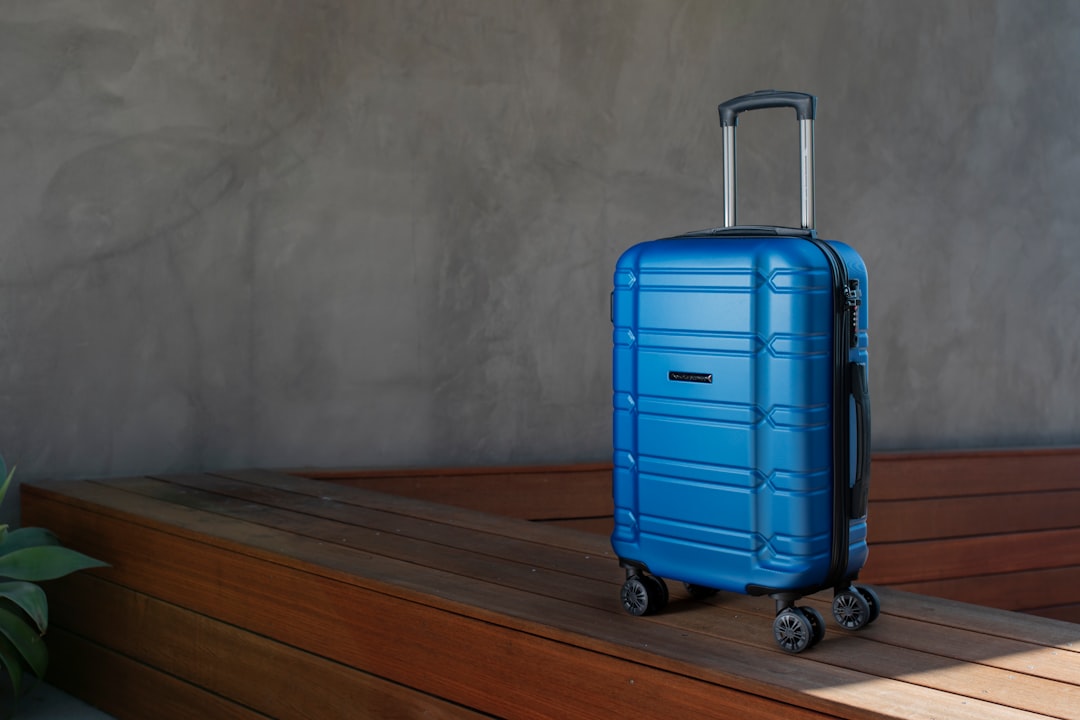
Moreover, the rise of budget airlines and the associated baggage fees have prompted travelers to invest in high-quality luggage that can endure multiple trips without succumbing to wear and tear. Brands that focus on durable materials, such as polycarbonate and ballistic nylon, have gained traction in the market, catering to the needs of modern travelers who demand both style and resilience.
Consumer Preferences and Trends
Understanding consumer preferences is crucial for brands in the luggage market. Recent data shows that 65% of travelers prefer luggage with a warranty, indicating a desire for assurance regarding the longevity of their purchase. This trend underscores the importance of durability, as consumers are willing to invest more in products that offer protection against defects and damage.
Additionally, the rise of online shopping has transformed how consumers approach luggage purchases. E-commerce platforms like nomadnecessitiesonline.com have capitalized on this trend by offering a wide range of durable luggage options, complete with customer reviews and detailed product descriptions. This transparency allows consumers to make informed decisions, further driving the demand for high-quality luggage gear.
The Economic Impact of Quality Luggage
Investing in durable luggage gear not only benefits consumers but also has broader economic implications. The luggage market’s growth contributes significantly to the global economy, with an estimated increase of 5.4% annually. This growth is fueled by the rising middle class in emerging markets, who are increasingly prioritizing travel and leisure.
Moreover, durable luggage reduces the frequency of replacements, leading to less waste and a more sustainable approach to travel gear. As consumers become more environmentally conscious, brands that emphasize durability and sustainability are likely to gain a competitive edge in the market. Key Insight: The shift towards durable luggage reflects a broader trend in consumer behavior, where quality and sustainability take precedence over cost alone.
Choosing the Right Luggage Gear
When selecting luggage, it is essential to consider factors such as material, design, and functionality. High-quality luggage should feature robust zippers, reinforced seams, and lightweight yet durable materials. Travelers should also assess the luggage’s capacity and organization features, ensuring it meets their specific travel needs.
Additionally, investing in luggage with smart features, such as built-in charging ports and tracking technology, can enhance the travel experience. As technology continues to evolve, luggage brands that incorporate innovative features will likely attract tech-savvy consumers looking for convenience and efficiency in their travel gear.
The Future of Luggage Gear
The future of luggage gear is poised for exciting developments as brands adapt to changing consumer demands. With the rise of remote work and digital nomadism, there is an increasing need for versatile luggage that caters to both business and leisure travel. This trend is likely to drive innovation in design and functionality, leading to the emergence of hybrid luggage solutions.
Furthermore, as sustainability becomes a priority for consumers, brands that focus on eco-friendly materials and production processes will likely thrive. The integration of recycled materials and sustainable practices in luggage manufacturing will not only appeal to environmentally conscious consumers but also contribute to a more sustainable travel industry.